Label Studio Learning Center
Learn the core concepts behind data labeling, machine learning workflows, computer vision, and human-in-the-loop AI. Explore in-depth articles and definitions designed to help you understand the building blocks of modern AI and machine learning systems.

-
This guide is your starting point for understanding the people, tools, and processes behind high-quality data labeling. Whether you're new to the space or scaling a production pipeline, you’ll find practical insights on workflows, roles, QA strategies, and platform selection, all in one place.
-

Explore how different data types, like text, images, audio, and video—shape machine learning workflows. This hub breaks down each modality and shows how to label them effectively using tools like Label Studio.
-

A Guide to Machine Learning Tools
This hub breaks down categories, use cases, and selection strategies to help you scale smarter across the ML lifecycle.
-
Open source AI is transforming how teams build, evaluate, and deploy intelligent systems. This hub covers the key tools, models, and strategies shaping the ecosystem today.
-
This hub explores the full spectrum of evaluation methods, from metrics to human-in-the-loop reviews and LLM-based scoring across multiple articles.
-
A Guide to Augmented Language Models
Pretrained LLMs are powerful, but they can't access real-time facts, remember past interactions, or use external tools on their own. Augmented language models solve these limitations and in this guide, we’ll explore how.
-
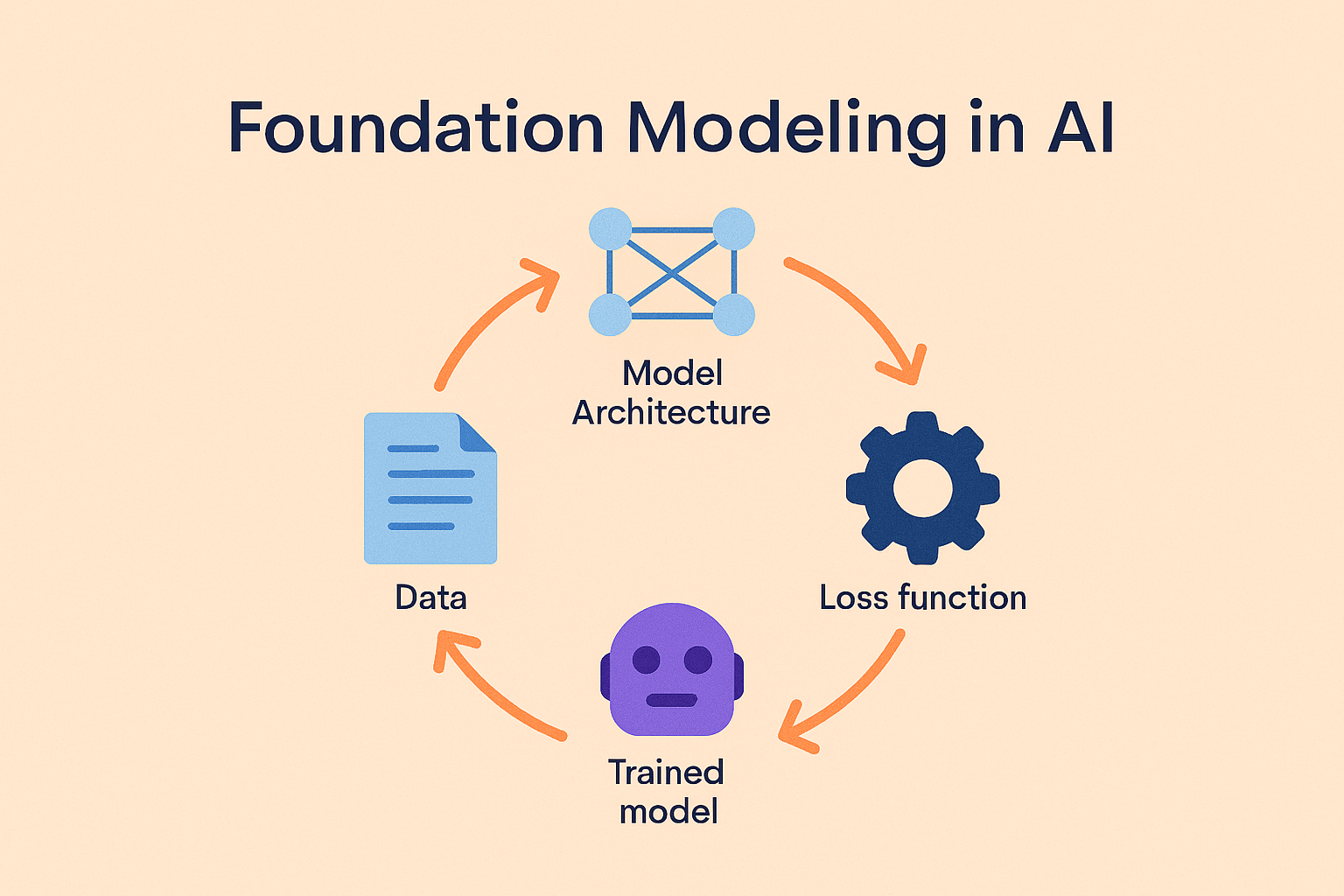
Model Training: How Machines Learn from Data
Model training is how AI systems learn from data. This guide explains the process, why it matters, and when to train your own models versus using pre-trained ones.
-
Benchmarks provide a common ground for evaluating machine learning models, but their usefulness depends on how well they reflect real-world goals. This guide explains what benchmarks are, when to rely on them, and where they fall short.
All Articles
-
Understanding AI Bias: Why It Matters in Machine Learning Evaluations
Bias in AI isn’t just a technical flaw, it’s a reflection of how data, decisions, and real-world consequences intersect. Understanding it is the first step to building fairer, more…
-
Top 6 Data Labeling Challenges (and How to Overcome Them)
Data labeling is the backbone of every successful ML project—but it’s also where teams hit the most roadblocks. From quality control to scaling across data types, this post breaks…
-
How do you collect dexterous manipulation data?
How to design a contact-rich collection rig around the fact that cameras cannot see the moment of contact: sensing, synchronization, and schema.
-
Can you use that VLA dataset commercially?
Why open does not answer the commercial question for robotics datasets, where a dataset's terms really live, and a check to run before training.
-
VLA data vs. teleoperation data: what's the difference?
Why teleoperation is a collection method and VLA data is a training format, what has to be added between them, and when that work has to happen.
-
How do you build a diverse egocentric dataset?
The five axes of egocentric dataset diversity, what the published datasets actually cover, and how to specify coverage before collection starts.
-
What does a 90% human preference win rate actually prove?
What a reported preference win rate mechanically is, the four disclosures a headline number omits, and how to report one that survives scrutiny.
-
Expert data vs. crowd data: what's the difference?
Why crowd data and expert data capture different signals rather than sitting at two price points, and what that difference changes in your pipeline.
-
Why one in six of your teleoperation episodes gets thrown away
Where teleoperation episodes are lost across collection, annotation, and curation, and how to budget a campaign by yield rather than by session count.
-
Can an LLM judge score creativity?
What the measurements show about automated judges on creative output, where a judge earns its place, and where it cannot settle the question at all.
-
What is aesthetic data, and how do you collect it?
What aesthetic data is, why the published category stays thin where it matters, and the four decisions that determine whether a dataset is usable.
-
What is expert data, and when do you actually need it?
A test that tells you whether your task needs expert judgement or simply a better written specification, before you commit an annotation budget.
-
Why AI generated images all have the same look
Why preference tuning narrows image model output, what the published measurements show, and how to collect preference data that keeps range.
-
How to tell whether your design quality actually dropped
How to separate a real design quality regression from a drifting standard, using a frozen reference set, per-criterion scores, and agreement.
-
The data integrity failures that silently ruin a teleoperation dataset
The calibration, timing, and annotation failures that produce a valid but unusable teleoperation dataset, and what to verify before teardown.
-
Where new human data comes from when the public supply runs out
The measured ceiling on public human text, why generated data only partly answers it, and the three mechanisms that produce net-new human data.
-
How to write an annotation spec for a domain you don't understand
How to write and audit an annotation specification for a domain nobody on your team understands, using seeded gold items and agreement patterns.
-
Why some training data needs subject-matter experts, not annotators
On some tasks the judgment is the label, and no guideline document transfers it. Here is how to tell which tasks those are and how to run expert annotation well.
-
Where crowdsourced data quietly fails
Crowdsourced annotation fails in ways throughput dashboards are not built to detect. Five failure modes, how to test for each, and where the model stops being appropriate.
-
Why the last 5% of cases is a different data problem entirely
The final few percent of cases resists the methods that got you the first 95%, because rarity is a property of the distribution you are sampling from.
-
Why world models can't be trained on scraped video alone
Internet video is abundant and free, and it records what happened rather than what was commanded. That missing action channel is the constraint that shapes world model training.
-
Why robot foundation models are starved for the right data
Robot foundation models are not short on trajectories. They are short on diversity, grounded language, failure coverage, and modalities, and more of the wrong data makes them…
-
What data a world model needs to understand the physical world
Visual realism and physical understanding are measurably different capabilities. Here is what a world model needs in its training data to learn the second one.
-
Why contact-rich data is so hard to collect, and why it matters
Contact is where manipulation succeeds or fails, and it is the signal robot datasets are least likely to contain. Here is what makes it hard to capture and what it costs to fix.