How to get access to machine learning APIs that support multilingual text analysis
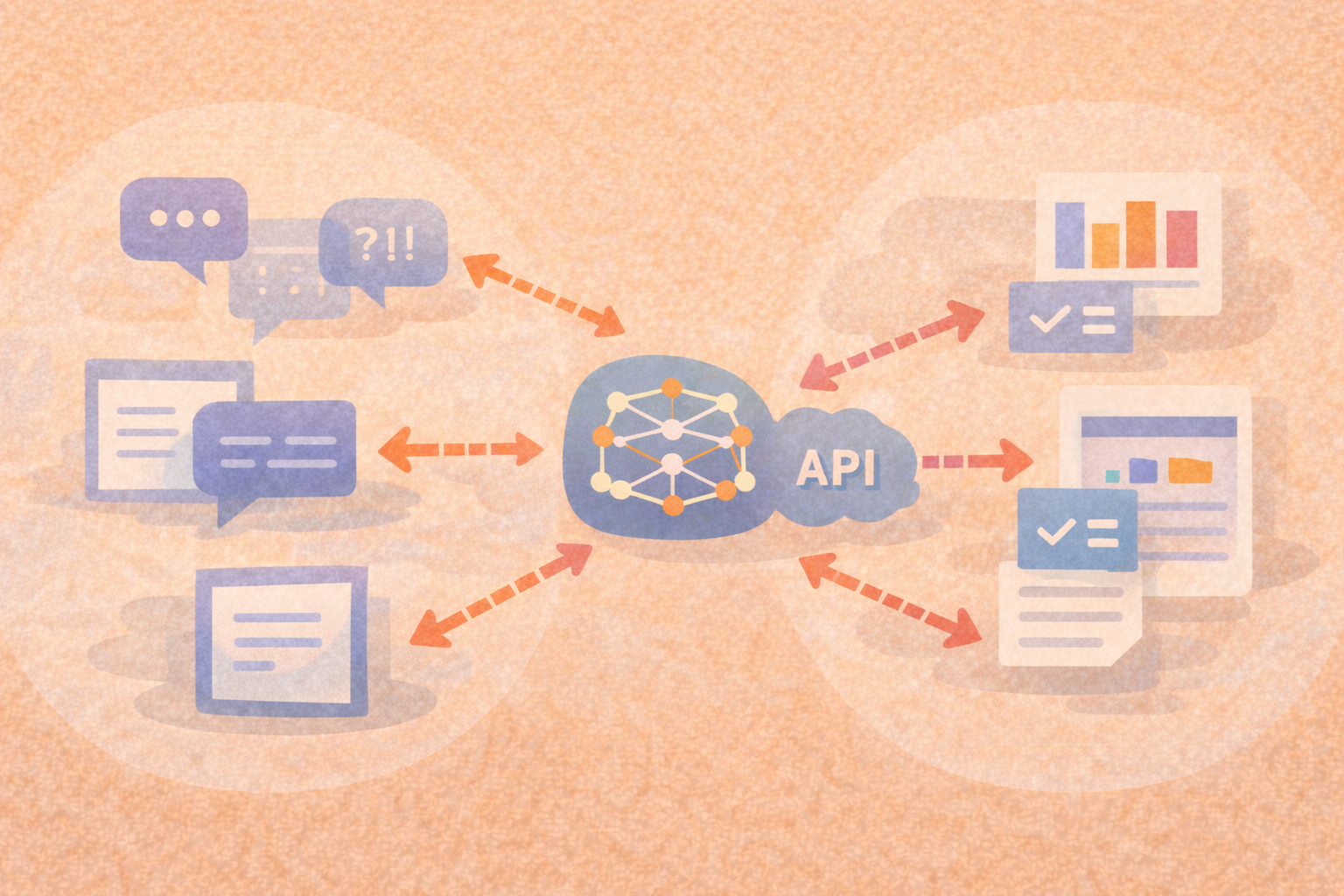
Getting access to machine learning APIs that support multilingual text analysis starts with understanding what “language support” actually means for your use case. Beyond basic access, teams need to evaluate language coverage, quality guarantees, evaluation transparency, and how multilingual behavior is monitored and maintained over time.
More details
Clarify what multilingual support means for your needs
Multilingual text analysis can refer to many different capabilities. Some APIs focus on language detection, while others support tasks such as classification, entity extraction, translation, or generation across multiple languages. Before seeking access, it helps to define which tasks matter most and which languages are critical.
Depth matters as much as breadth. An API may technically support dozens of languages, but performance can vary significantly between high-resource and low-resource languages. Understanding this upfront prevents overestimating real-world capability.
Evaluate access models and onboarding requirements
Access to multilingual APIs typically comes through developer accounts, usage tiers, or enterprise agreements. During onboarding, pay attention to whether language features are available by default or require explicit configuration. Some APIs expose multilingual support through a single unified endpoint, while others require language-specific parameters or models.
It is also important to understand usage limits and pricing structures early. Multilingual workloads often increase token counts, request volume, or preprocessing costs, which can affect feasibility at scale.
Assess evaluation and transparency
Access alone does not guarantee quality. Strong multilingual APIs provide ways to evaluate performance by language rather than aggregating results into a single score. Look for support for per-language metrics, confidence scores, or error analysis that makes gaps visible.
If the API does not provide built-in evaluation signals, teams should plan to layer their own evaluation datasets and review workflows on top. This is especially important when expanding into new languages or regions.
Consider data handling and compliance
Multilingual text often involves data from different regions with different regulatory expectations. Before integrating an API, review how it handles data storage, retention, and cross-border processing. Language support should not come at the expense of compliance or user trust.
Encoding, normalization, and script handling also matter. APIs that treat multilingual text as a first-class input tend to produce more consistent results and fewer downstream issues.
Plan for long-term maintenance
Language usage changes over time. Slang evolves, new domains emerge, and user behavior shifts. Accessing a multilingual API should be viewed as an ongoing relationship rather than a one-time integration. Teams benefit from monitoring performance by language, tracking regressions, and revisiting evaluations as usage grows.
APIs that evolve quickly can introduce silent changes. Versioning and clear update policies help teams maintain stability across languages.
Frequently Asked Questions
Frequently Asked Questions
Is language detection enough for multilingual analysis?
Language detection is often just the first step. Downstream tasks still need language-specific evaluation.
Can I rely on provider benchmarks for multilingual performance?
Benchmarks are useful signals, but they should be supplemented with task- and domain-specific evaluation.
Does multilingual support increase operational complexity?
Yes. More languages introduce more variability, which makes monitoring and evaluation more important.
When should teams add human review for multilingual outputs?
Human review is especially valuable for low-resource languages, sensitive domains, and early-stage deployments.
Related Content
-
What machine learning tools support automated deployment to Kubernetes clusters?
Automated ML deployment to Kubernetes typically combines a Kubernetes-native serving layer (KServe, Seldon, or BentoML+Yatai) with pipeline orchestration and GitOps delivery (Kubeflow, Helm, Argo CD).
-

Where can I find machine learning courses offered by leading tech companies?
Start with structured ML courses from major tech providers, then reinforce the concepts with hands-on videos that walk through real data, labeling, and model iteration.
-
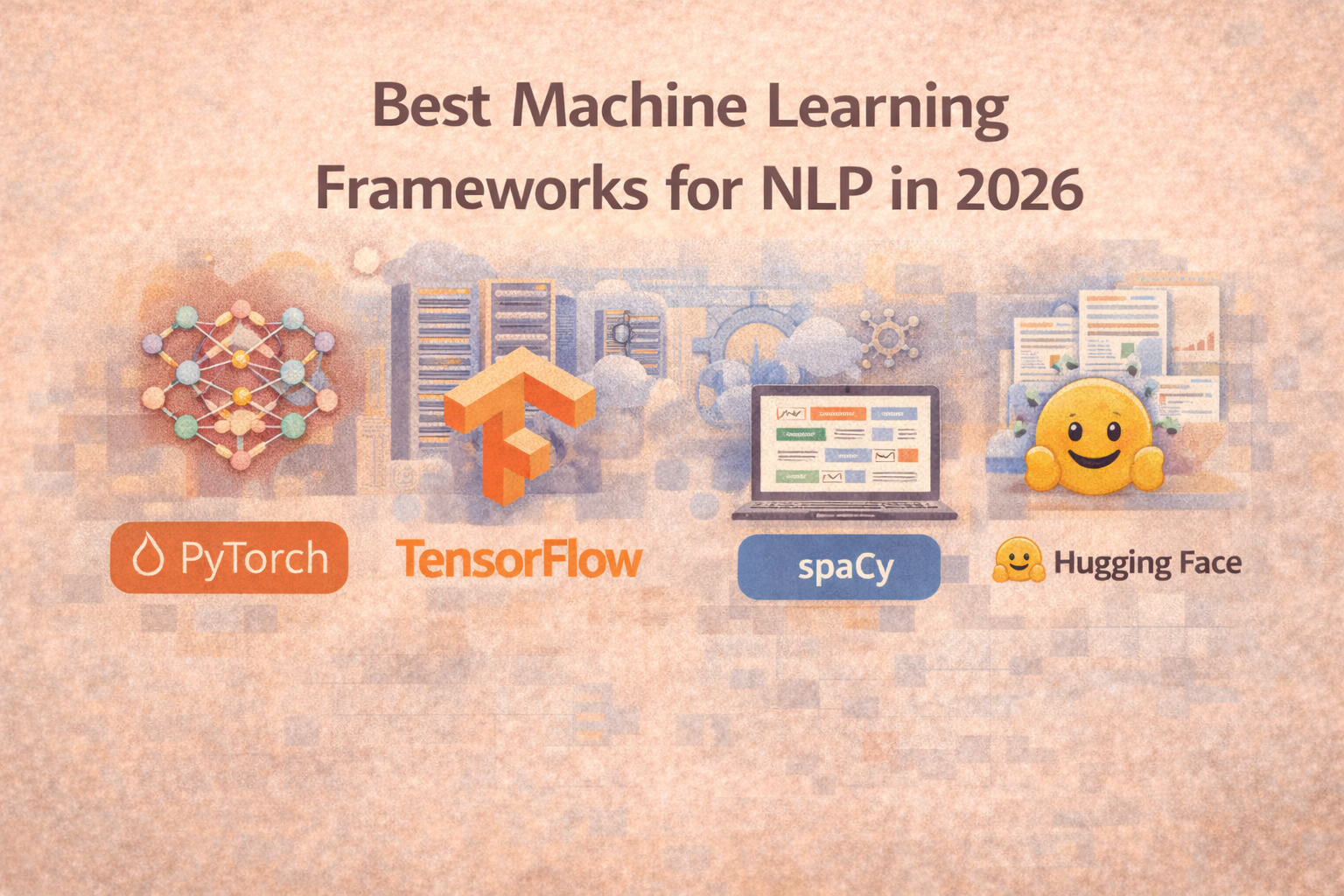
What are the best machine learning frameworks for natural language processing?
A practical guide to the most-used ML frameworks for NLP and how to pick the right one for training, fine-tuning, and production workloads.