How to choose the right AI benchmark for evaluating chatbot performance?
Choosing a chatbot benchmark starts with your use case. The right evaluation reflects what “good” means for your users: task success, factual accuracy, safety, tone, and consistency. Public leaderboards can help, but most teams need domain-specific tests.
More details
Chatbot evaluation goals
A chatbot isn’t “good” in the abstract. A support bot needs correct answers and proper escalation. A sales assistant needs helpfulness and persuasion boundaries. A regulated-domain assistant needs refusal behavior and traceable correctness. Start by defining the outcome you want to measure.
Chatbot accuracy and factuality benchmarks
For many teams, factuality is the first benchmark category: is the response correct, grounded, and consistent with the source of truth? If accuracy is the priority, you need a test set that reflects your domain content, not generic trivia.
Chatbot safety and policy compliance benchmarks
Safety evaluation measures whether the bot follows rules: refusing disallowed requests, avoiding sensitive disclosures, and staying within policy boundaries. This matters even when the answer is “helpful” because helpful-but-wrong can be high risk.
Chatbot consistency and robustness testing
Chatbots also need robustness: similar questions should produce similar-quality answers. Benchmarks that include paraphrases, incomplete prompts, and edge cases help reveal brittleness.
Human evaluation rubrics for chatbots
Because tone and usefulness are subjective, many teams add human scoring. A simple rubric (accuracy, helpfulness, safety) is often more valuable than chasing a single metric. Over time, those rubric scores can become a benchmark you track across versions.
Frequently Asked Questions
Frequently Asked Questions
Are public chatbot benchmarks enough?
They provide context, but they rarely match your domain, policies, or users.
What’s a good starting point?
A curated set of real conversations plus a clear scoring rubric you can reuse and refine.
Do I need humans in the loop?
If you care about quality, yes—especially for tone, usefulness, and policy judgment.
Related Content
-
Do you need a custom benchmark?
Learn why public AI leaderboards constantly fail enterprise deployments and how to scale a continuous evaluation maturity framework from proof-of-concept to production without wasting endless engineering hours.
-
Domain-specific vs. general benchmarks: What's the difference?
Learn the difference between domain-specific and general benchmarks. Understand how to measure artificial intelligence model performance effectively for your specific use case.
-
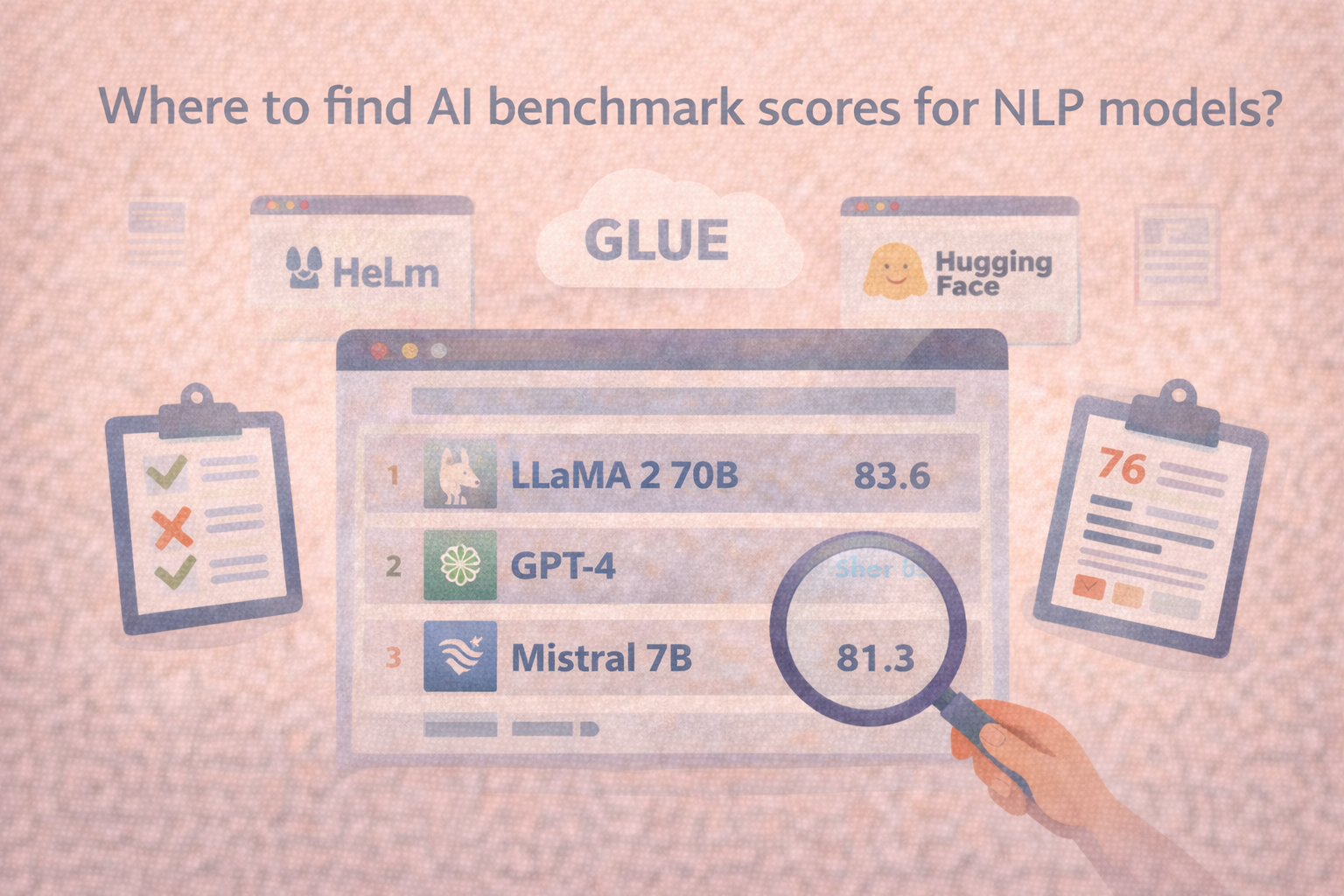
Where can I find AI benchmark scores for natural language processing models?
You can find NLP benchmark scores quickly on public leaderboards, but the comparisons only hold up when you verify versions, evaluation settings, and the exact model variant being scored.
-
Getting started with benchmark creation
A guide to creating effective benchmarks for evaluating machine learning models, covering data selection, annotation, and iteration.
-
How do benchmarks use ground truth data?
Learn how ground truth data serves as the foundation for evaluating machine learning models and tracking AI benchmark performance.
-
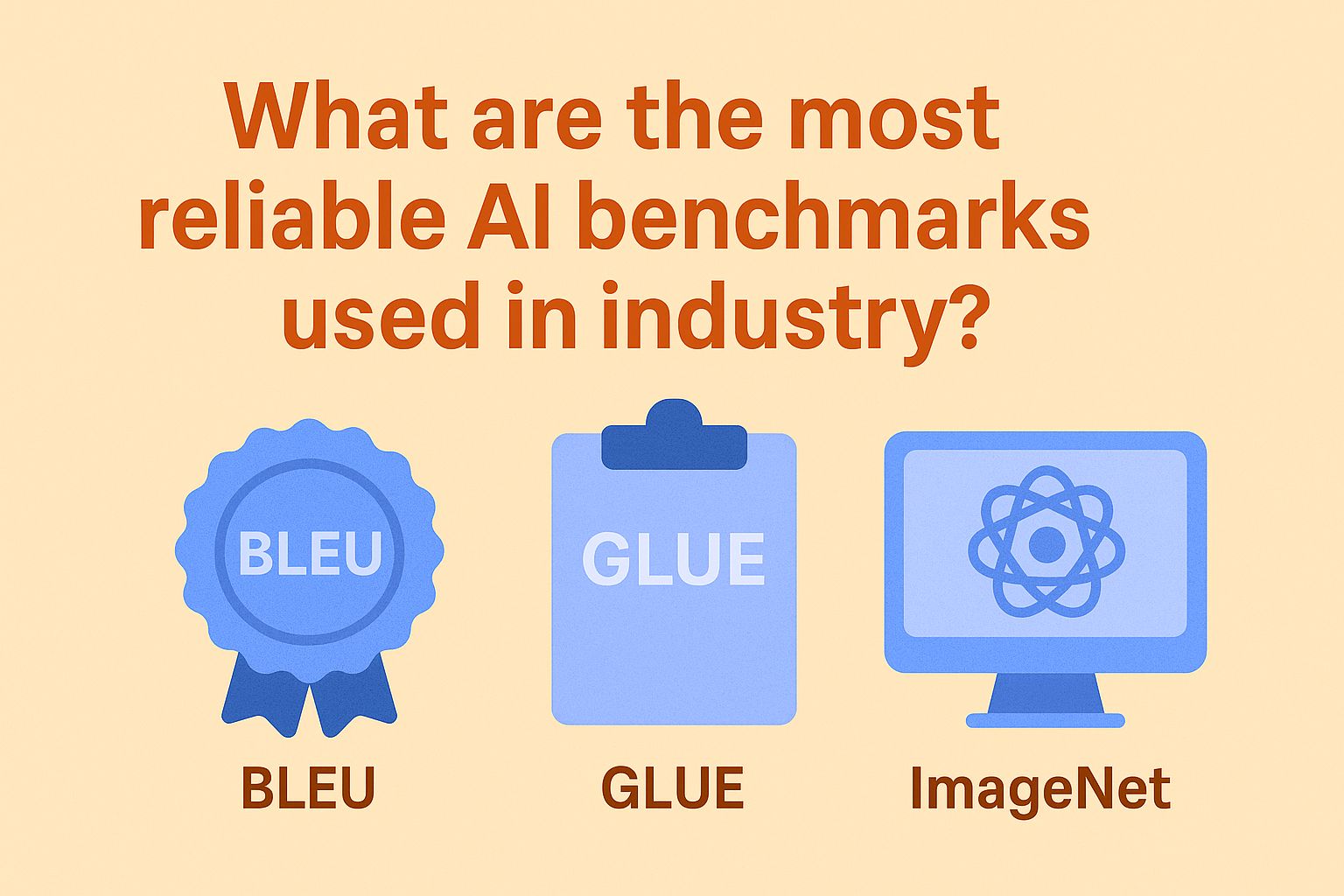
What are the most reliable AI benchmarks used in industry?
The core language, vision, speech, and system benchmarks that teams still rely on to compare models.
-
What services offer AI benchmark reports for enterprise decision-making?
A practical guide to the main sources of AI benchmark reports enterprises use to compare vendors, platforms, and model performance.
-
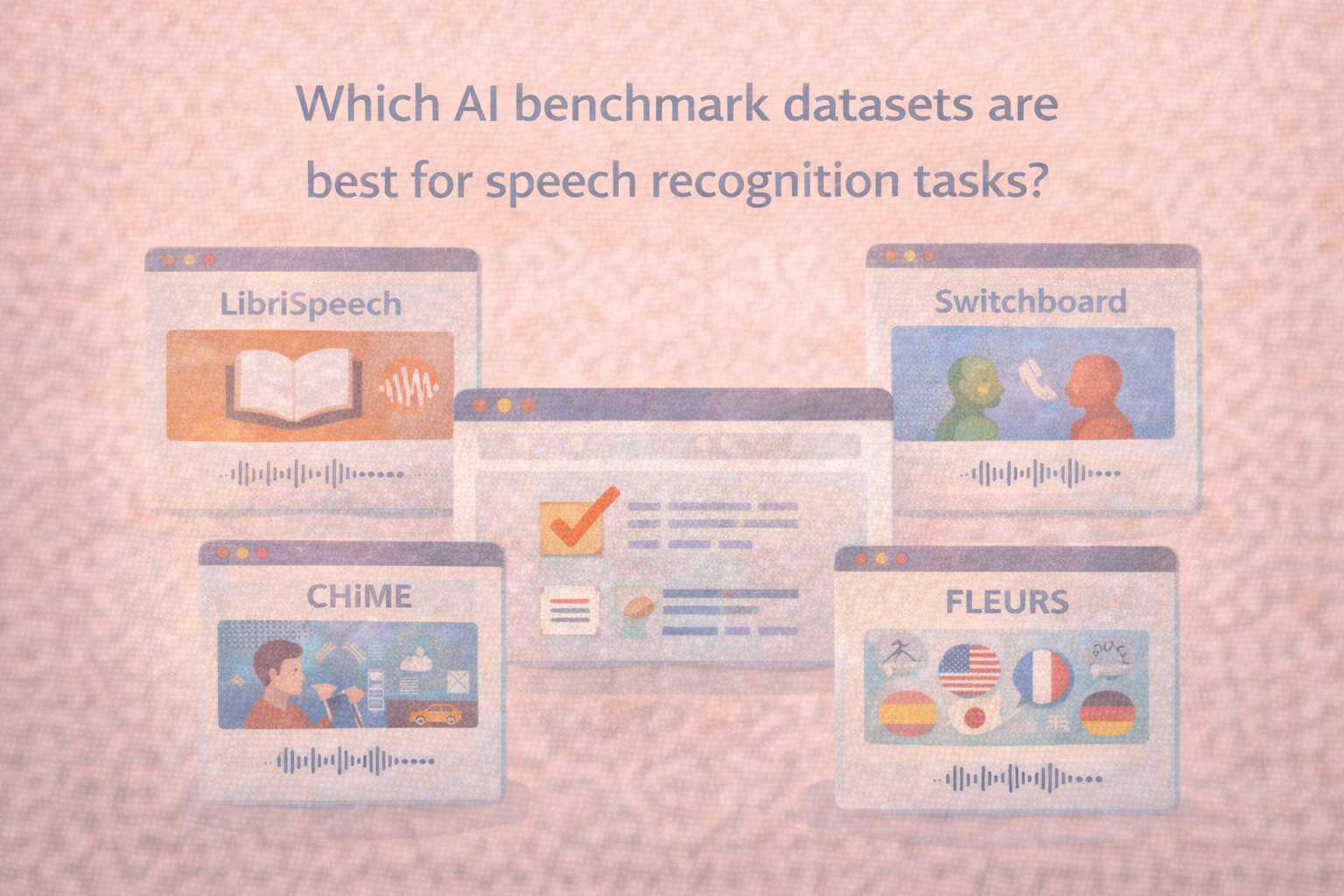
Which AI benchmark datasets are best for speech recognition tasks?
The best ASR benchmarks depend on your target audio conditions, so the most reliable approach is to pair a standard baseline with a dataset that reflects how people actually speak in your product.
-
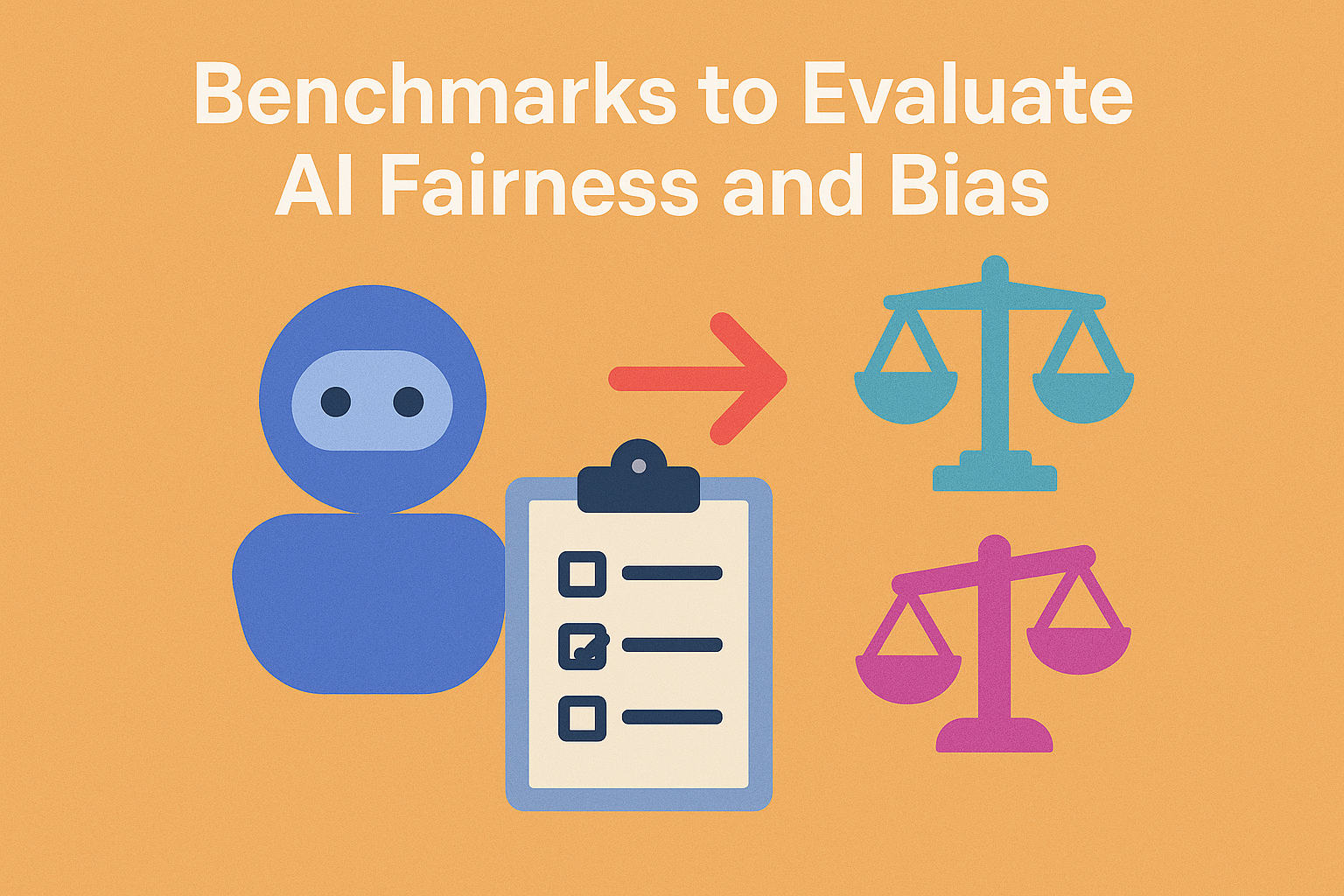
What Benchmarks are Used to Evaluate AI fairness and Bias?
AI fairness and bias benchmarks help teams measure whether model performance or behavior changes across groups, identities, or contexts
-
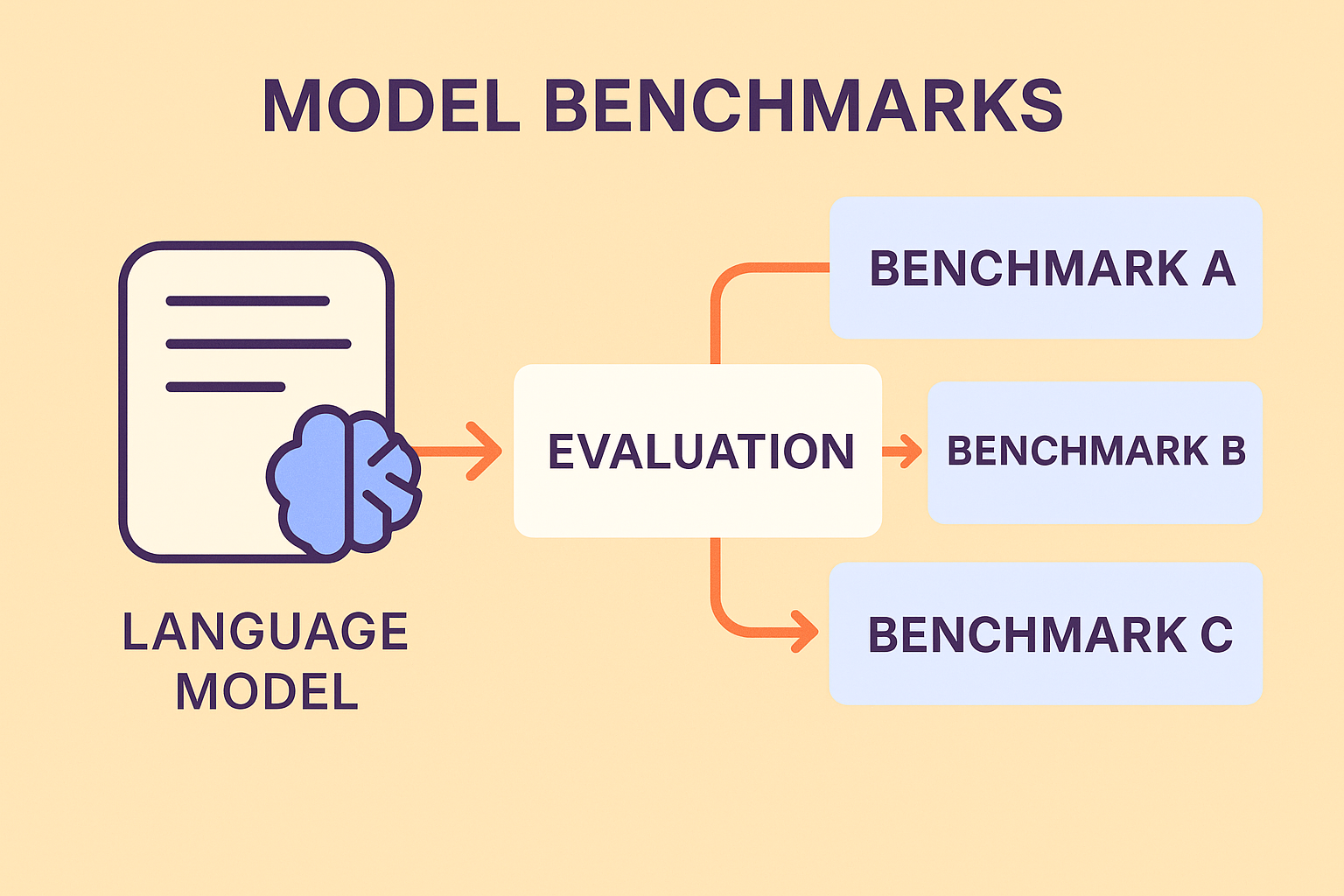
Benchmarks are the measuring sticks of machine learning. They provide a way to evaluate models consistently, compare progress, and understand whether performance holds up in real-world conditions.
-
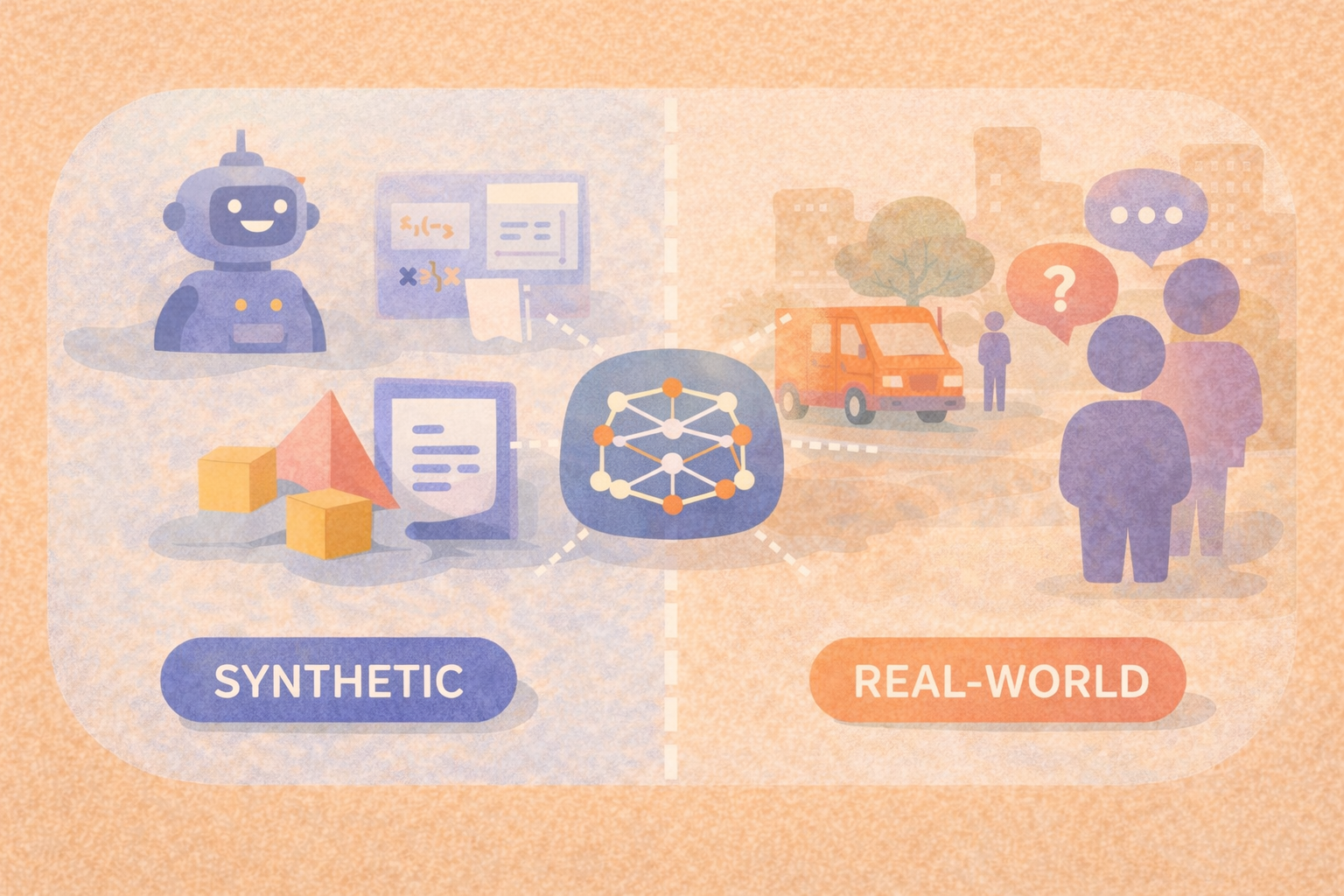
What are the differences between synthetic and real-world AI benchmarks?
Synthetic benchmarks offer control and scalability, while real-world benchmarks expose how AI systems behave under real conditions—and strong evaluation strategies rely on both.
-
Static vs. dynamic benchmarks: What's the difference?
Learn the structural differences between static and dynamic AI evaluations, why purely dynamic tests ruin version control, and how to build a hybrid pipeline.
-
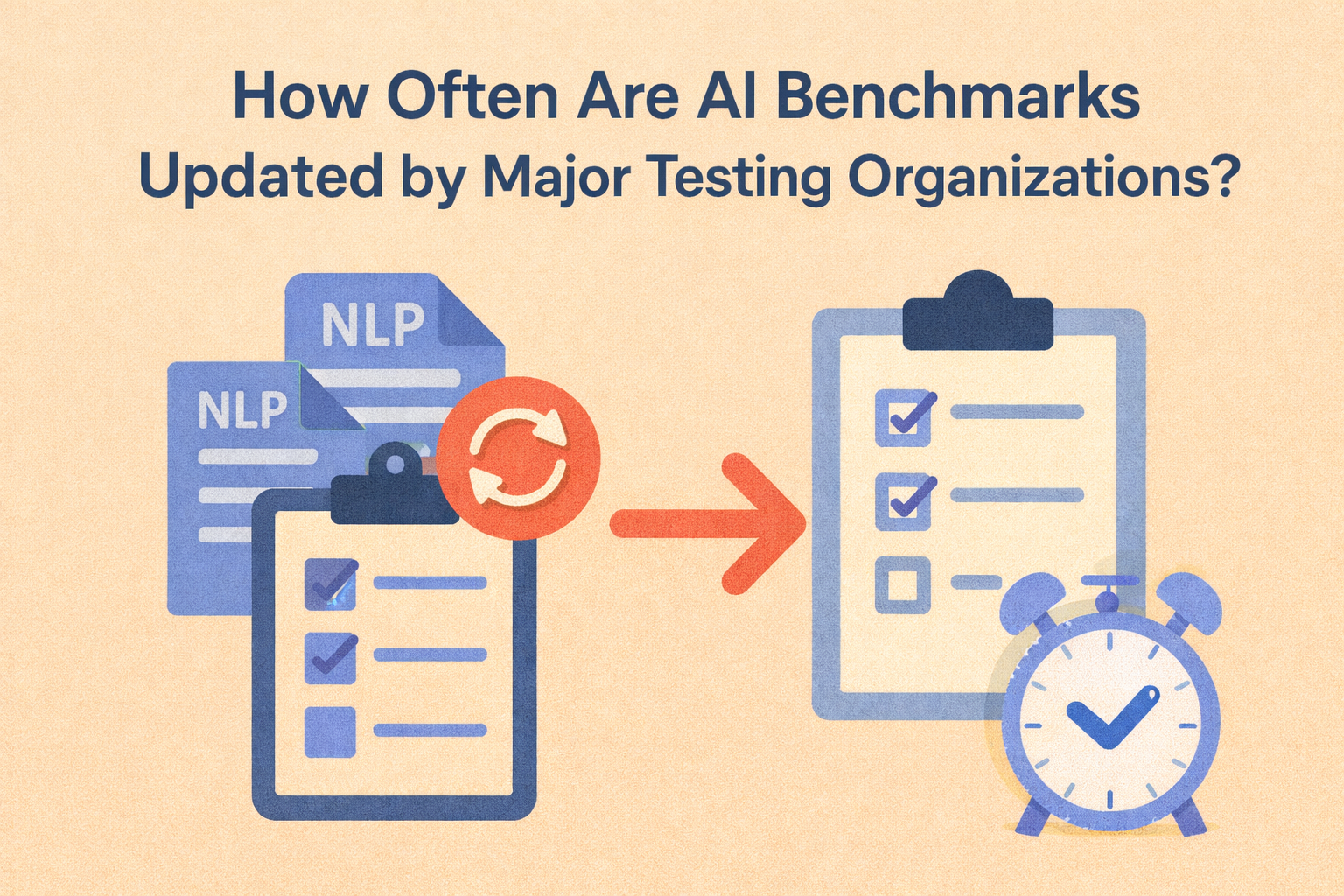
How often are AI benchmarks updated by major testing organizations
Benchmark results are time-bound, so the most reliable comparisons always include the benchmark version, evaluation method, and date.
-
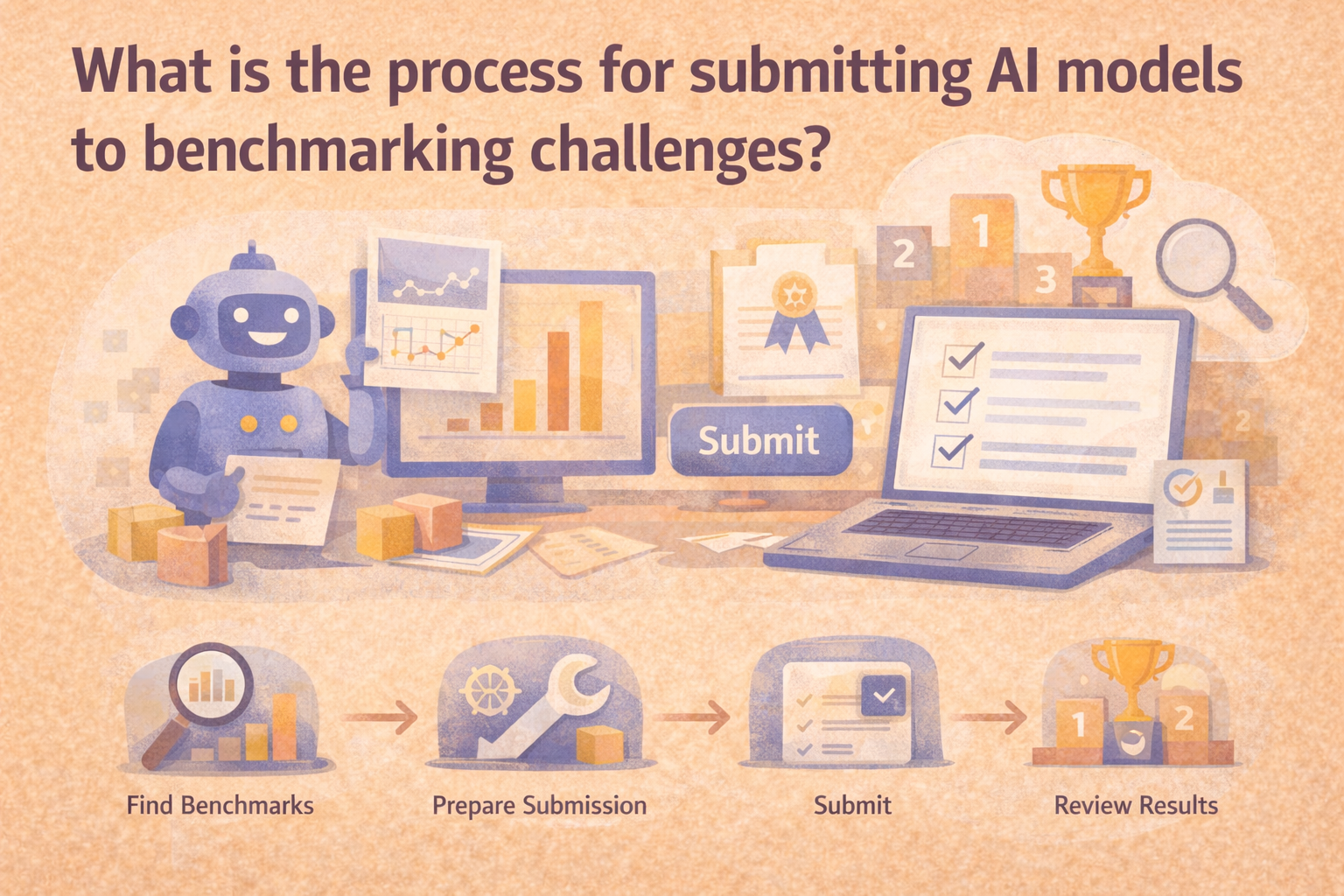
What is the process for submitting AI models to benchmarking challenges?
Submitting an AI model to a benchmarking challenge is less about “upload the model” and more about proving your system can be evaluated fairly.
-
How to interpret AI benchmark results from third-party testing services?
Benchmark scores can be helpful signals, but only if you understand the dataset, scoring method, evaluation setup, and version behind the number.
-
How to choose an LLM benchmark
Public leaderboards are helpful for shortlisting models, but production demands custom evaluation. Learn how to choose an LLM benchmark for your team.
-
Benchmarks provide a common ground for evaluating machine learning models, but their usefulness depends on how well they reflect real-world goals. This guide explains what benchmarks are, when to rely on them, and where they fall short.
-
What are the differences between synthetic and real-world AI benchmarks?
This article breaks down how synthetic and real-world AI benchmarks differ and why teams need both to understand true model performance.