How to interpret AI benchmark results from third-party testing services?
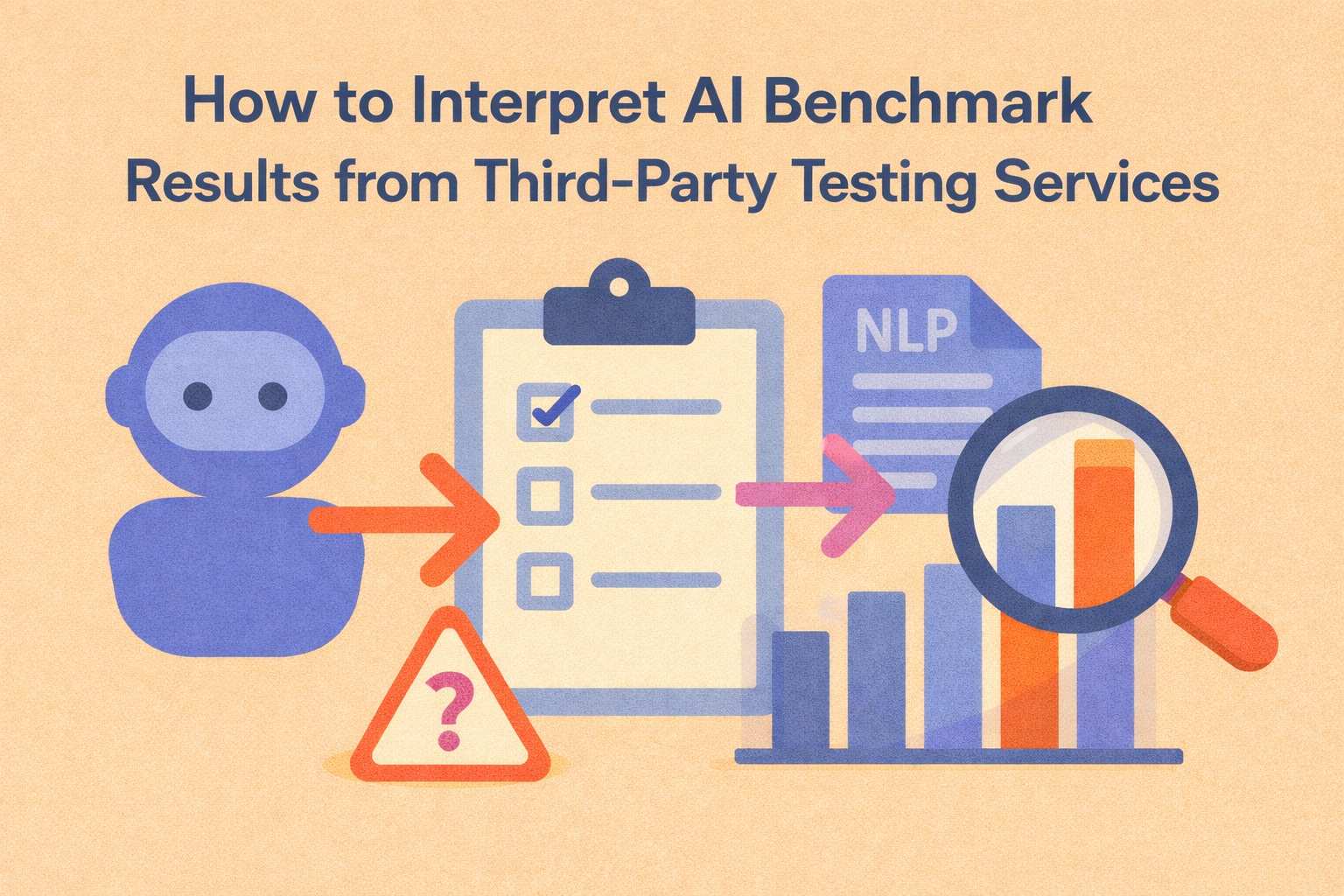
AI benchmark results from third-party testing services can be useful, but they’re easy to misread. A single score rarely tells the full story. To interpret benchmark results correctly, teams need to understand what the benchmark actually measures, what it leaves out, and how evaluation versions and conditions affect comparisons.
More details
Third-party benchmarks are often presented as clean leaderboards or summary charts, which makes them feel authoritative. The challenge is that benchmarks compress a lot of complexity into a single number. Interpreting them well requires unpacking what sits behind that score.
The first thing to understand is what the benchmark is measuring. Some benchmarks focus on accuracy, others on reasoning, robustness, latency, or cost. A high score means the model performs well on that specific task, not that it is “better” in general. Two models with similar scores may behave very differently outside the benchmark’s scope.
Next, look at how the score is computed. Benchmarks often aggregate results across multiple tasks or categories. That average can hide weak spots. For example, a model may perform exceptionally well on common cases but poorly on edge cases that matter more in production. When possible, look for per-task or per-slice breakdowns rather than relying on a single headline number.
Benchmark versions matter more than many people realize. Third-party testing services frequently update datasets, evaluation rules, or scoring scripts. A score from one version may not be directly comparable to a score from another. When reading results, always check the benchmark version and the evaluation date. Without that context, comparisons can be misleading.
Another common pitfall is assuming benchmarks reflect real-world usage. Most benchmarks are proxies. They are designed to approximate certain behaviors, not to replicate full production environments. This is why a model that tops a leaderboard can still struggle when deployed. Benchmarks should inform decisions, not replace domain-specific testing.
Finally, pay attention to evaluation conditions. Some benchmarks allow fine-tuning, prompt optimization, or additional context. Others test models “out of the box.” Comparing results across different evaluation setups can lead to false conclusions if those details aren’t aligned.
The most reliable way to use third-party benchmarks is as relative signals, not absolute truth. They help narrow choices and identify strengths, but they should always be paired with internal evaluations that reflect real users and real constraints.
Frequently Asked Questions
Frequently Asked Questions
Does a higher benchmark score always mean a better model?
No. It only means better performance on that specific benchmark under specific conditions.
Can I compare benchmark scores from different sources?
Only if they use the same dataset, version, and evaluation protocol.
Should benchmarks drive final model selection?
They should inform decisions, but final selection should include domain-specific and internal testing.
Why do benchmark results sometimes contradict real-world performance?
Because benchmarks simplify reality and may miss edge cases, noise, or shifting user behavior.
Related Content
-
Do you need a custom benchmark?
Learn why public AI leaderboards constantly fail enterprise deployments and how to scale a continuous evaluation maturity framework from proof-of-concept to production without wasting endless engineering hours.
-
Domain-specific vs. general benchmarks: What's the difference?
Learn the difference between domain-specific and general benchmarks. Understand how to measure artificial intelligence model performance effectively for your specific use case.
-

Where can I find AI benchmark scores for natural language processing models?
You can find NLP benchmark scores quickly on public leaderboards, but the comparisons only hold up when you verify versions, evaluation settings, and the exact model variant being scored.
-
Getting started with benchmark creation
A guide to creating effective benchmarks for evaluating machine learning models, covering data selection, annotation, and iteration.
-
How do benchmarks use ground truth data?
Learn how ground truth data serves as the foundation for evaluating machine learning models and tracking AI benchmark performance.
-
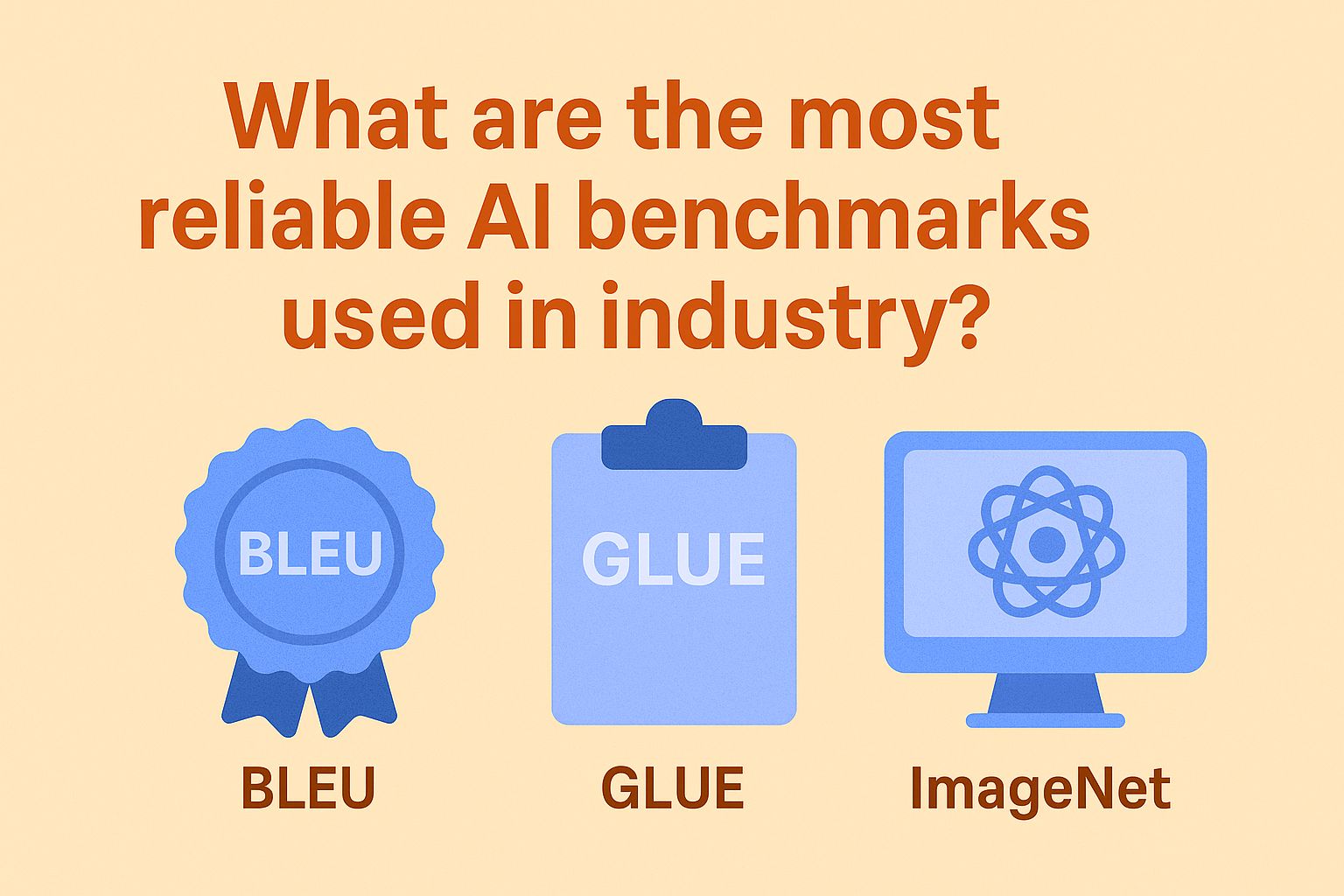
What are the most reliable AI benchmarks used in industry?
The core language, vision, speech, and system benchmarks that teams still rely on to compare models.
-
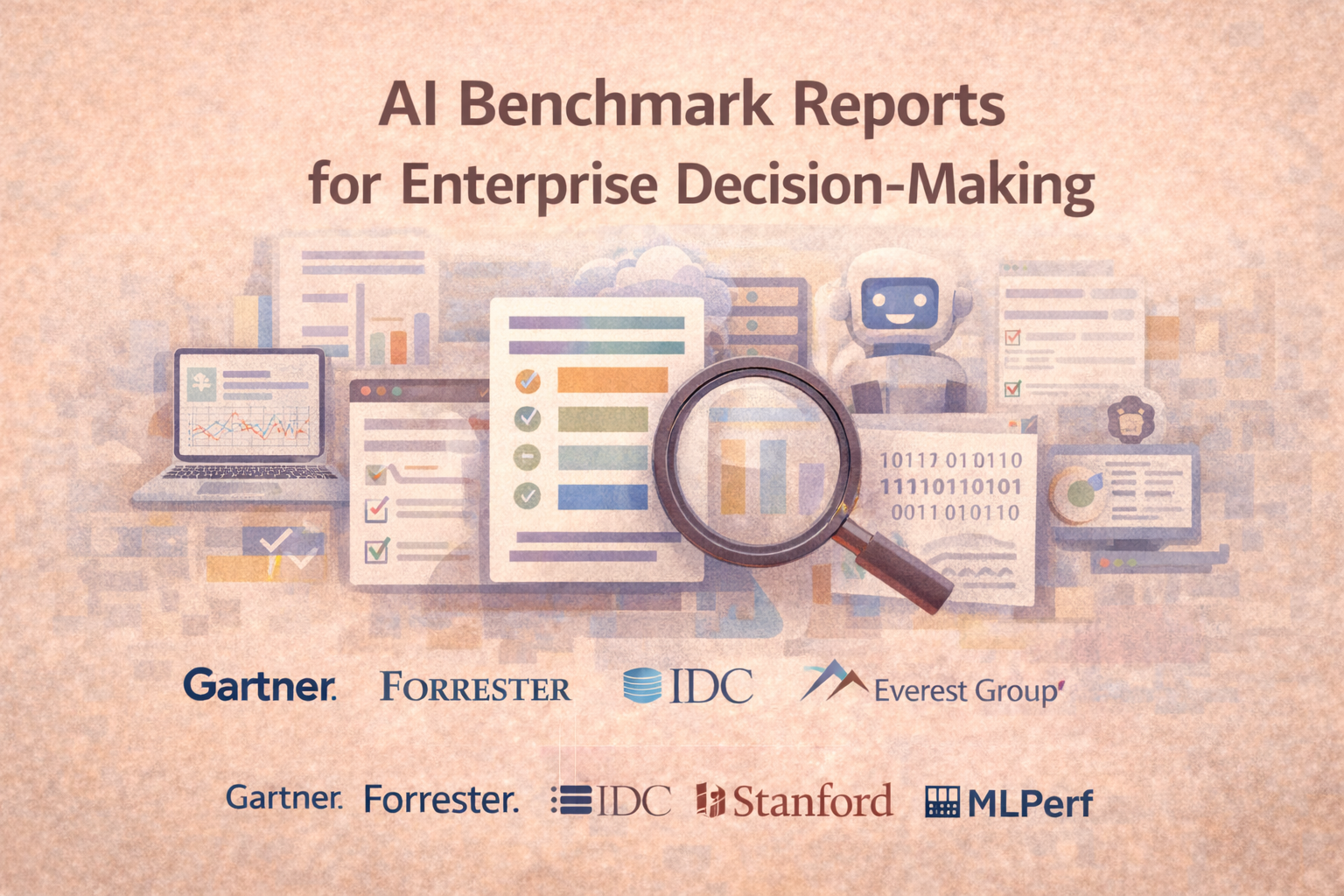
What services offer AI benchmark reports for enterprise decision-making?
A practical guide to the main sources of AI benchmark reports enterprises use to compare vendors, platforms, and model performance.
-
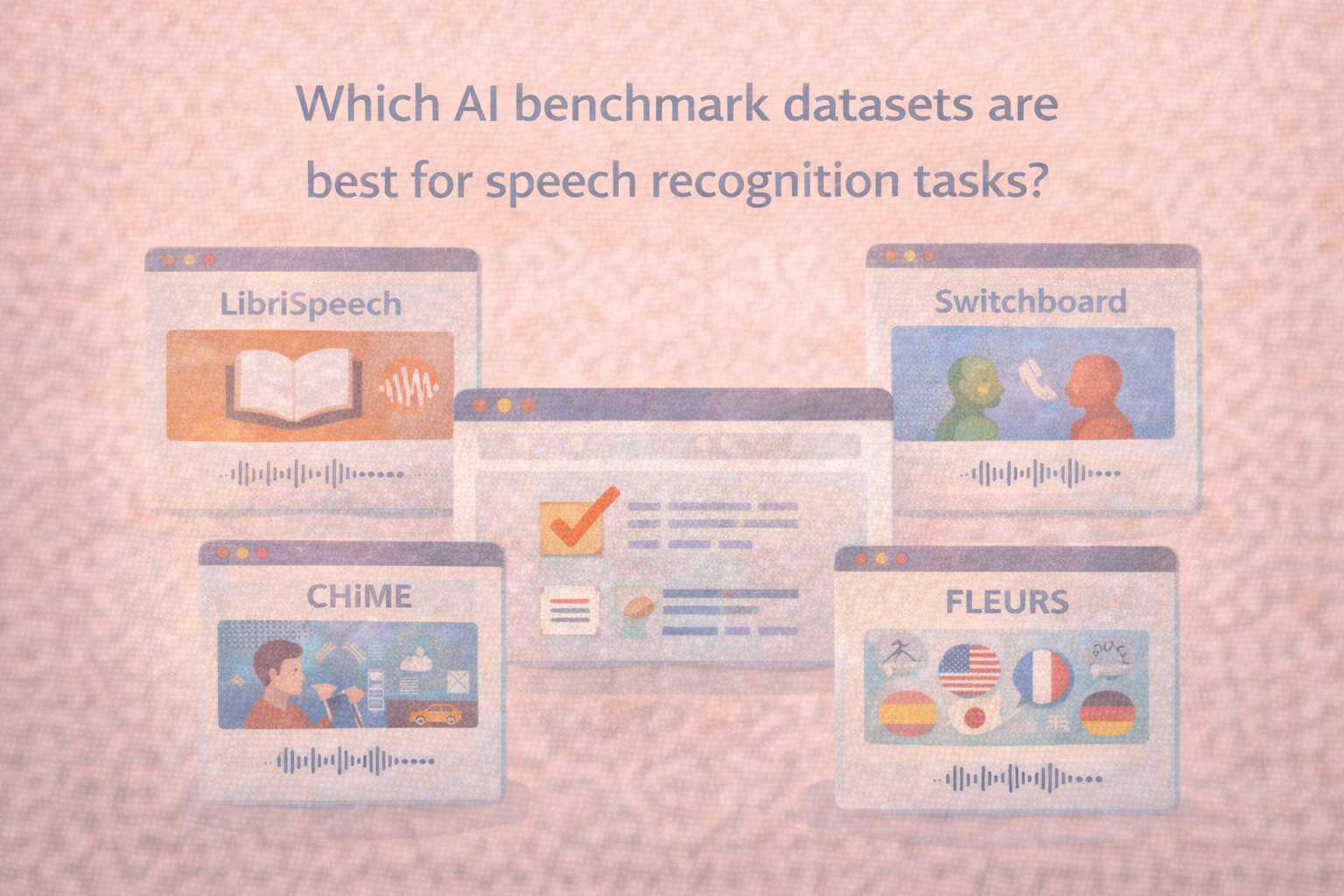
Which AI benchmark datasets are best for speech recognition tasks?
The best ASR benchmarks depend on your target audio conditions, so the most reliable approach is to pair a standard baseline with a dataset that reflects how people actually speak in your product.
-
What Benchmarks are Used to Evaluate AI fairness and Bias?
AI fairness and bias benchmarks help teams measure whether model performance or behavior changes across groups, identities, or contexts
-
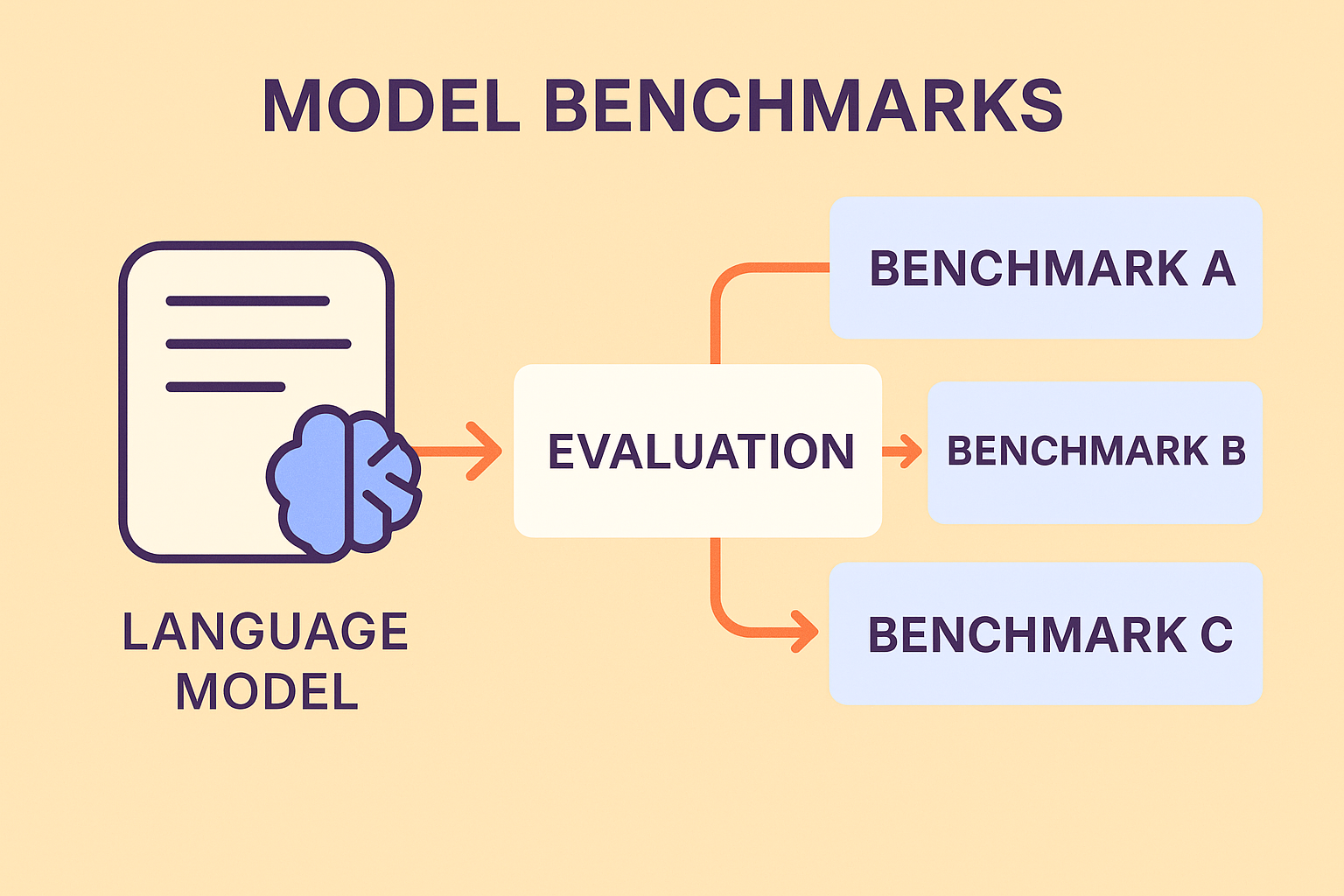
Benchmarks are the measuring sticks of machine learning. They provide a way to evaluate models consistently, compare progress, and understand whether performance holds up in real-world conditions.
-

What are the differences between synthetic and real-world AI benchmarks?
Synthetic benchmarks offer control and scalability, while real-world benchmarks expose how AI systems behave under real conditions—and strong evaluation strategies rely on both.
-
Static vs. dynamic benchmarks: What's the difference?
Learn the structural differences between static and dynamic AI evaluations, why purely dynamic tests ruin version control, and how to build a hybrid pipeline.
-
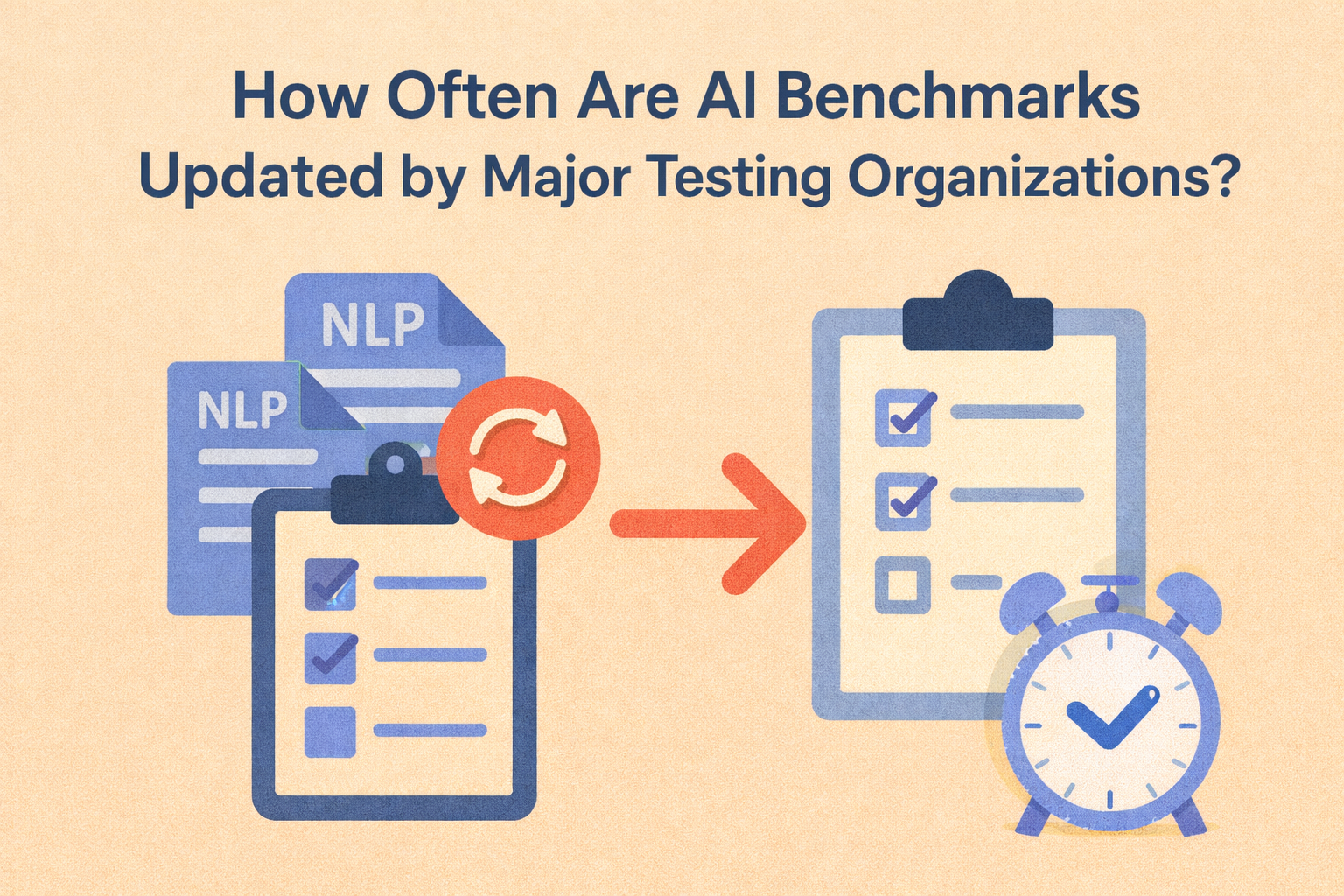
How often are AI benchmarks updated by major testing organizations
Benchmark results are time-bound, so the most reliable comparisons always include the benchmark version, evaluation method, and date.
-
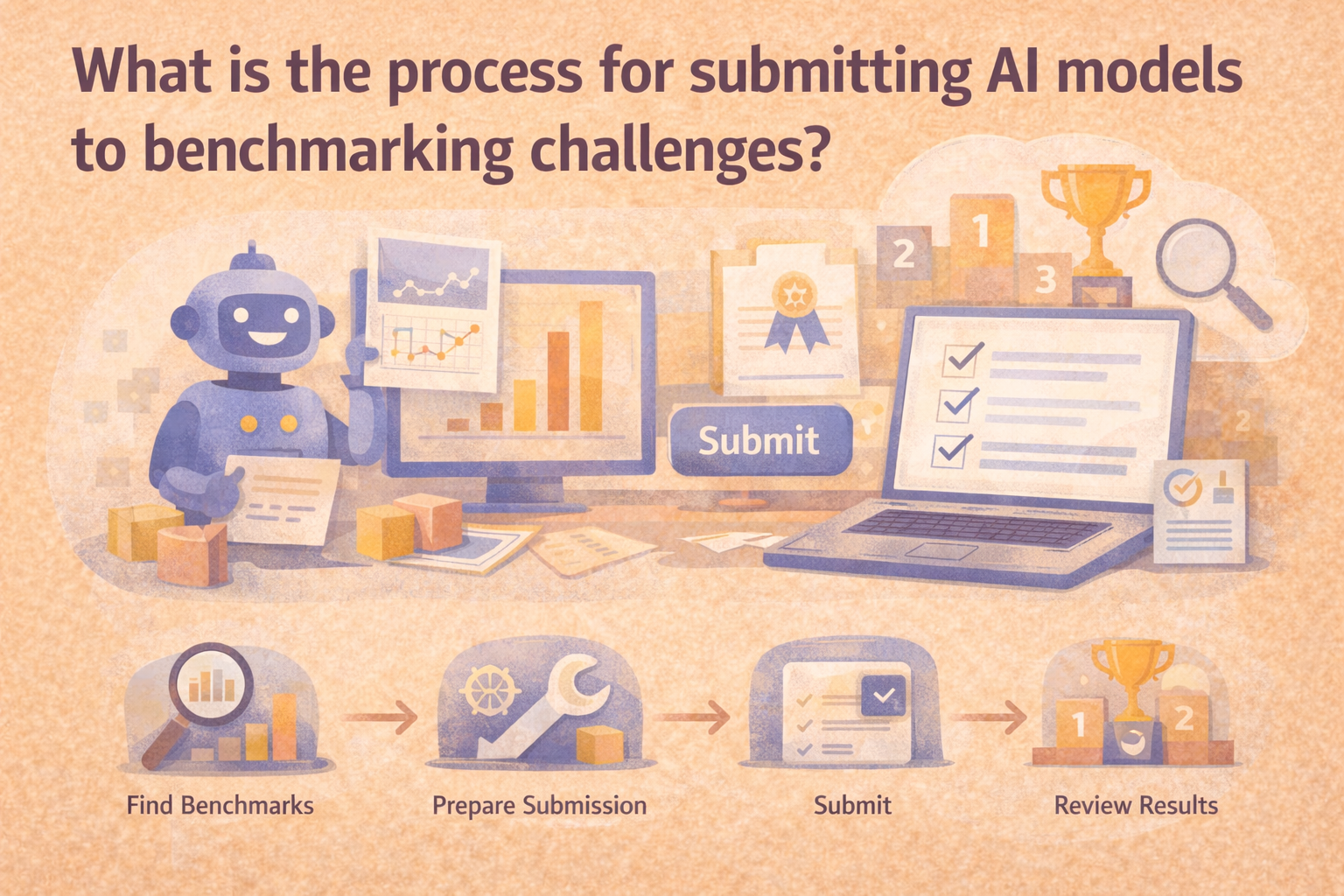
What is the process for submitting AI models to benchmarking challenges?
Submitting an AI model to a benchmarking challenge is less about “upload the model” and more about proving your system can be evaluated fairly.
-
How to choose an LLM benchmark
Public leaderboards are helpful for shortlisting models, but production demands custom evaluation. Learn how to choose an LLM benchmark for your team.
-
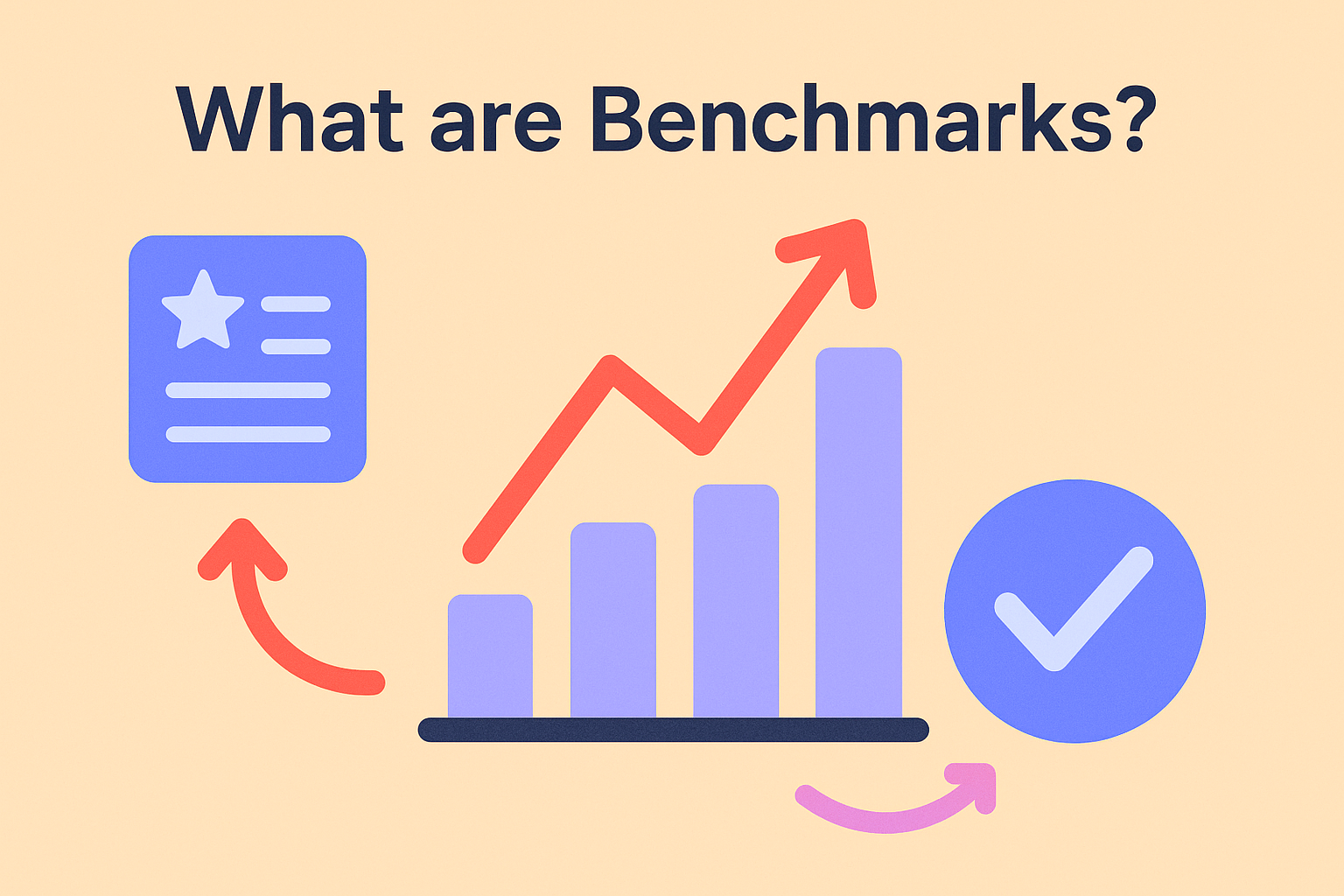
Benchmarks provide a common ground for evaluating machine learning models, but their usefulness depends on how well they reflect real-world goals. This guide explains what benchmarks are, when to rely on them, and where they fall short.
-
What are the differences between synthetic and real-world AI benchmarks?
This article breaks down how synthetic and real-world AI benchmarks differ and why teams need both to understand true model performance.